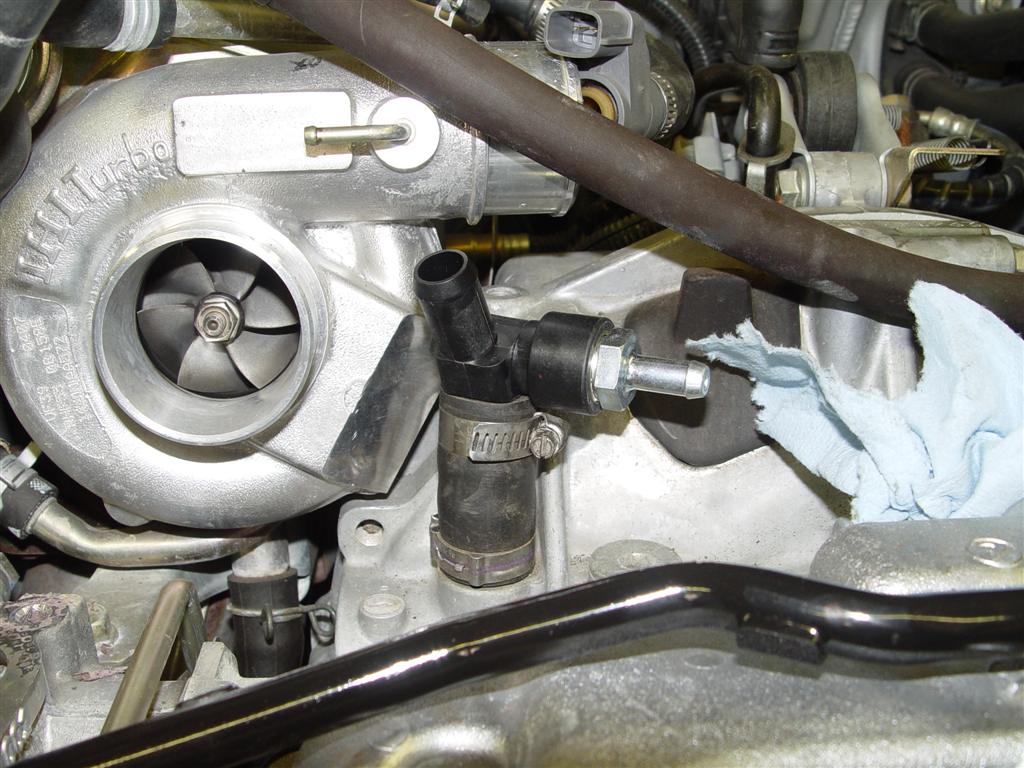


Ok... So I searched and searched, and researched and researched, and after many sleepless nights and reading endless threads regarding the topic at hand, I’ve decided to try and start a thread that would help everyone, including myself, who was interested in researching such topics, make the right decisions.
So I’ll start out by adding what I've learned in my studies and what I'm still a little confused about. If anyone more knowledgeable has anything helpful to add please do so and I’ll keep track of all the information and Ill summarize it here in the first post so it will be easy to find for anyone who is just passing through to get information.
What happens in the STi engine crankcase while driving?
In regards to the Subaru STi engine, as I understand it (and I may be wrong, but I would like to share my thoughts and hopefully confirm them), the stout 2.5 liter boxer motor generates quite a bit of pressure in the crankcase during high revs. This pressure can put a drag on the engine if not ventilated efficiently. It can also force oil pass the piston rings, into the cylinders, burning off in the combustion chamber and causing lean conditions, which can be bad for our motors and all turbo charged motors as a whole. Under boost the high pressure of the Forced Induction can also get by the piston rings in the opposite direction entering the Crankcase and adding to the high pressure all ready in there from revving. This also can introduce contaminants into the oil as well as un-burned fuel vapor.
What is Crankcase Ventilation and why is it necessary?
All of these ill effects can be avoided by sufficient venting of the engine by utilizing the constant vacuum in the inlet tube of the intake track, to pull all the added pressure out of the crankcase with a series of venting tubes, and check valves. Most stock motors have a sufficient venting system that is designed for their specific performance levels, (i.e. the positive crankcase ventilation system, aka PCV). There is an upside and a downside to this mechanism. The upside to this is... It relieves the pressure in the crankcase, as well as re-circulates the un-burned fuel vapor into the intake track and insures proper burning of the fuel. This helps keep harmful fumes from polluting our environment and helps improve gas mileage. The downside is... Along with pressure and fuel vapor coming out of the motor through the venting tubes, Oil Vapor also makes its way into the intake track (aka Blow By). ESPECIALLY under high revs and high boost. This is why most modded STi’s experience excessive blow by. Oil vapor can be harmful to the Turbo and make a mess of things in the entire Intake system and intercooler, as well as causing lean conditions by being burned in the engine. It can also cause an excess of carbon build up in the engine (from burning the oil). These problems usually don’t occur in a stock STi because the boost and performance levels are not high enough to cause any blow by.
How can you avoid “Blow By”?
The way to avoid "Blow By" is with proper venting and by using a device that will take the Oil vapor out of suspension and maintain the flow of un-burned air/fuel vapor out of the crankcase and into the Intake. An “Oil Catch Can” accomplishes this by passing the flow through a baffled can that has inlet and outlet ports for the venting tubes and helps keep the oil in the can and out of the intake. An Air/Oil separator accomplishes this the same way; however it has an additional port on the bottom of the canister to allow oil to drain back into the engine.
Now... After covering the necessity of venting the engine, what blow by is, the conditions that cause blow by and the way to help avoid blow by, the only other thing that needs to be covered is what I am still a little confused about... The Plumbing!
Plumbing
The way the STi Engine’s stock venting system is plumbed, is obviously done for a reason. Who are we to argue with years of engineering that the Subaru developers have put into designing the engine? However, as I said before the Stock engine doesn’t really see much blow by due to its lack of High Performance and Boost. The STi engine is obviously a high performance motor; however the stock venting system is designed to be sufficient for its performance level. So when boost and performance is taken up a notch and the need for a Catch Can or an A/O separator is required to eliminate blow by, how should it be plumbed? Can simply intercepting the inlet tubes with a catch can or an a/o separator be enough to get the job done? If so then why do aftermarket companies have installation guides that indicate certain changes to the plumbing of the venting system when installing their separators, and why do others simply instruct a simple interception in the lines? What are the benefits and draw backs of each and are they performance level dependent or a result of research and development, to prove one method better than another?
So which way is the best and what’s the reasoning behind why each company suggests a certain way to install their venting tubes?
After I discovered the importance of an air/oil separator I began my research and after all was said and done, I have a pretty decent understanding of everything except the plumbing. I have yet to understand why each method is done and what the best way to plumb the venting tubes is for each specific application. This is what drove me to start this thread. I didn’t want to just post a simple thread with a question. I wanted to provide a source of information for everyone else who is haunted by these questions and just the idea of A/O separators and Catch Cans in general.
I recently purchased and installed an Air/Oil separator made by Ixiz Concepts. I'm sure many of you have heard of a few different ones on the market. I was on the fence between Crawford’s and this one because of some reviews I’ve read and the overall quality they seemed to have. In the end it really came down to cost. I found one that was brand new for significantly lower than retail. So I picked it up and installed it. I really felt that I needed one since I just added a few more power mods that put my power numbers significantly higher than stock, and I wanted peace of mind and to be able to run said power safely for as long as I can. When it came time to installing it I decided to use the Crawford Installation guide to plumb my tubes, despite the fact that Ixiz’s installation guide is actually different from Crawford’s, I felt that Crawford’s seemed a little more logical to me after my studies of the STi’s ventilation system. I've made a few diagrams of the plumbing in detail to show you the difference and hopefully get some help to figure out which way is the best and why. I used a diagram that I got off NASIOC as a starting point and added to them for further clarification.
Figure 1: The Stock STi Engine PCV plumbing.
![Image]()
Figure 2: The Stock system under Vacuum.
![Image]()
Figure 3: The Stock system under Boost.
![Image]()
Figure 4: Crawford’s recommended installation method.
![Image]()
Figure 5: Ixiz’s recommended installation method.
![Image]()
Figure 6: LiteSpeed's Blowby Solution Twin Catch Can System
![Image]()
Discussion.
Why does Crawford recommend completely removing the PCV and capping the port on the Intake manifold/TB, completely separating it from the venting system? Is this bad? Is this good? And why? I hope someone can shed some light on this specific question and add or correct any information already in here.
Thank you for reading and I hope this becomes a very helpful and informative thread for all to share. Please Discuss…
Jay
So I’ll start out by adding what I've learned in my studies and what I'm still a little confused about. If anyone more knowledgeable has anything helpful to add please do so and I’ll keep track of all the information and Ill summarize it here in the first post so it will be easy to find for anyone who is just passing through to get information.
What happens in the STi engine crankcase while driving?
In regards to the Subaru STi engine, as I understand it (and I may be wrong, but I would like to share my thoughts and hopefully confirm them), the stout 2.5 liter boxer motor generates quite a bit of pressure in the crankcase during high revs. This pressure can put a drag on the engine if not ventilated efficiently. It can also force oil pass the piston rings, into the cylinders, burning off in the combustion chamber and causing lean conditions, which can be bad for our motors and all turbo charged motors as a whole. Under boost the high pressure of the Forced Induction can also get by the piston rings in the opposite direction entering the Crankcase and adding to the high pressure all ready in there from revving. This also can introduce contaminants into the oil as well as un-burned fuel vapor.
What is Crankcase Ventilation and why is it necessary?
All of these ill effects can be avoided by sufficient venting of the engine by utilizing the constant vacuum in the inlet tube of the intake track, to pull all the added pressure out of the crankcase with a series of venting tubes, and check valves. Most stock motors have a sufficient venting system that is designed for their specific performance levels, (i.e. the positive crankcase ventilation system, aka PCV). There is an upside and a downside to this mechanism. The upside to this is... It relieves the pressure in the crankcase, as well as re-circulates the un-burned fuel vapor into the intake track and insures proper burning of the fuel. This helps keep harmful fumes from polluting our environment and helps improve gas mileage. The downside is... Along with pressure and fuel vapor coming out of the motor through the venting tubes, Oil Vapor also makes its way into the intake track (aka Blow By). ESPECIALLY under high revs and high boost. This is why most modded STi’s experience excessive blow by. Oil vapor can be harmful to the Turbo and make a mess of things in the entire Intake system and intercooler, as well as causing lean conditions by being burned in the engine. It can also cause an excess of carbon build up in the engine (from burning the oil). These problems usually don’t occur in a stock STi because the boost and performance levels are not high enough to cause any blow by.
How can you avoid “Blow By”?
The way to avoid "Blow By" is with proper venting and by using a device that will take the Oil vapor out of suspension and maintain the flow of un-burned air/fuel vapor out of the crankcase and into the Intake. An “Oil Catch Can” accomplishes this by passing the flow through a baffled can that has inlet and outlet ports for the venting tubes and helps keep the oil in the can and out of the intake. An Air/Oil separator accomplishes this the same way; however it has an additional port on the bottom of the canister to allow oil to drain back into the engine.
Now... After covering the necessity of venting the engine, what blow by is, the conditions that cause blow by and the way to help avoid blow by, the only other thing that needs to be covered is what I am still a little confused about... The Plumbing!
Plumbing
The way the STi Engine’s stock venting system is plumbed, is obviously done for a reason. Who are we to argue with years of engineering that the Subaru developers have put into designing the engine? However, as I said before the Stock engine doesn’t really see much blow by due to its lack of High Performance and Boost. The STi engine is obviously a high performance motor; however the stock venting system is designed to be sufficient for its performance level. So when boost and performance is taken up a notch and the need for a Catch Can or an A/O separator is required to eliminate blow by, how should it be plumbed? Can simply intercepting the inlet tubes with a catch can or an a/o separator be enough to get the job done? If so then why do aftermarket companies have installation guides that indicate certain changes to the plumbing of the venting system when installing their separators, and why do others simply instruct a simple interception in the lines? What are the benefits and draw backs of each and are they performance level dependent or a result of research and development, to prove one method better than another?
So which way is the best and what’s the reasoning behind why each company suggests a certain way to install their venting tubes?
After I discovered the importance of an air/oil separator I began my research and after all was said and done, I have a pretty decent understanding of everything except the plumbing. I have yet to understand why each method is done and what the best way to plumb the venting tubes is for each specific application. This is what drove me to start this thread. I didn’t want to just post a simple thread with a question. I wanted to provide a source of information for everyone else who is haunted by these questions and just the idea of A/O separators and Catch Cans in general.
I recently purchased and installed an Air/Oil separator made by Ixiz Concepts. I'm sure many of you have heard of a few different ones on the market. I was on the fence between Crawford’s and this one because of some reviews I’ve read and the overall quality they seemed to have. In the end it really came down to cost. I found one that was brand new for significantly lower than retail. So I picked it up and installed it. I really felt that I needed one since I just added a few more power mods that put my power numbers significantly higher than stock, and I wanted peace of mind and to be able to run said power safely for as long as I can. When it came time to installing it I decided to use the Crawford Installation guide to plumb my tubes, despite the fact that Ixiz’s installation guide is actually different from Crawford’s, I felt that Crawford’s seemed a little more logical to me after my studies of the STi’s ventilation system. I've made a few diagrams of the plumbing in detail to show you the difference and hopefully get some help to figure out which way is the best and why. I used a diagram that I got off NASIOC as a starting point and added to them for further clarification.
Figure 1: The Stock STi Engine PCV plumbing.

Figure 2: The Stock system under Vacuum.

Figure 3: The Stock system under Boost.

Figure 4: Crawford’s recommended installation method.

Figure 5: Ixiz’s recommended installation method.

Figure 6: LiteSpeed's Blowby Solution Twin Catch Can System

Discussion.
Why does Crawford recommend completely removing the PCV and capping the port on the Intake manifold/TB, completely separating it from the venting system? Is this bad? Is this good? And why? I hope someone can shed some light on this specific question and add or correct any information already in here.
Thank you for reading and I hope this becomes a very helpful and informative thread for all to share. Please Discuss…
Jay